Meals
Breakfast, Lunch, Dinner
Accommodation
Tambopata Research Center
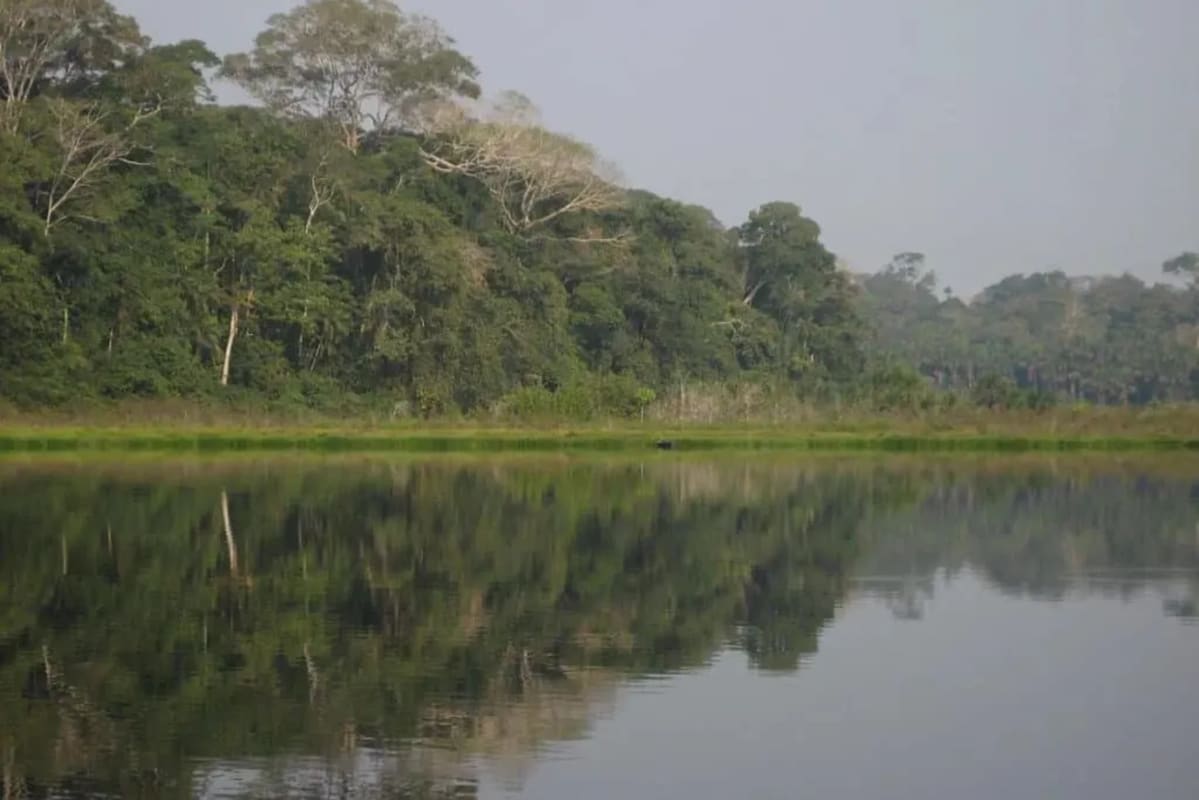
Four and a half hours by boat from the lodge, in the pristine heart of the reserve, lies the Tambopata Research Center. One and a half hours into our boat journey, as we cross the confluence with the Malinowski River, we leave behind the final traces of human habitation. Within the 700,000-hectare, uninhabited nucleus of the reserve, sightings of capybara, caiman, geese, macaws and other large species will become more frequent. Two hours away from Refugio Amazonas, deep in the Tambopata National Reserve, we stop at the Chuncho clay lick. After a short walk (5 minutes), we have the chance to see dozens of large macaws feeding on the special sodium-rich clays of the riverbank. The Chuncho clay lick probably attracts more large macaws than any other clay lick in the world and the sight of dozens of macaws taking flight is truly unforgettable. The details of our stopover depend on the weather and the amount of macaw activity, as the birds do not visit the clay lick when it is raining. Upon arrival, the lodge manager welcomes you and briefs you with important navigation and security tips. A three-to-five-kilometer hike leads us to commanding magnificent views of the Tambopata, winding its way into the lowlands. The forest on this trail, regenerating on old bamboo forest, is good for howler monkeys and dusky Titi monkeys. After dinner, scientists provide an in-depth look at the biology of macaws, their feeding habits, the theories for clay lick use, their breeding and feeding ecology, population fluctuations and the threats to their conservation.










 Baboo Certified