Accommodation
Ícaro Suites
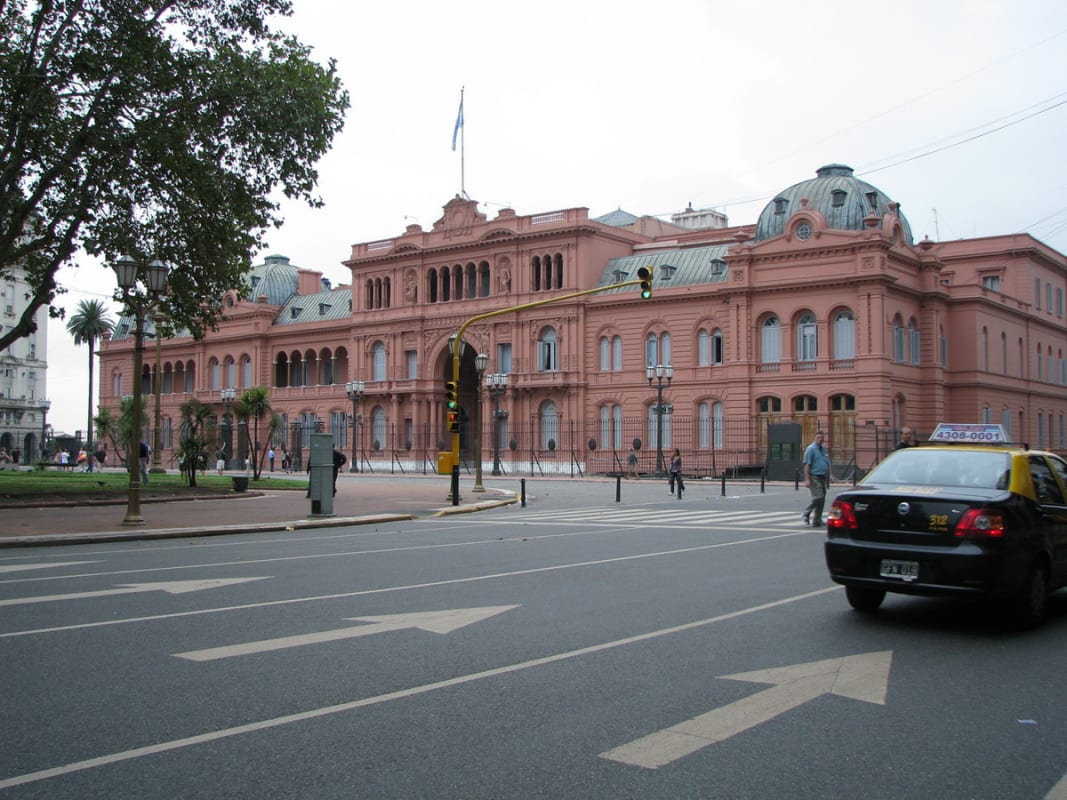
The dizzying city will take us to the area of Plaza de Mayo, El Cabildo, where the people met back in 1810; La Casa Rosada
still merges in the imagination the silhouette of Evita, The Metropolitan Cathedral where Pope Francis began his journey to
Rome. Then we will go to the area of La Boca with its colorful houses where the boats loaded with immigrants began with
their hands to build those colorful houses, El Caminito and its conventillos, testimony of this history. We will continue to the
San Telmo neighborhood, the tango and the Fileteado that are still alive there and every night an accordion is heard hidden
among the big houses of the 20th century. Puerto Madero awaits us, with its dikes, its distinguished gastronomy and the
imposing Puente de la Mujer that crosses the Rio de la Plata, making a 2 x 4 silhouette. The aromas of lapachos and
jacaranda take us to the majestic and imposing Floralis, North zone, Recoleta and Palermo are the symbol of the Buenos
Aires aristocracy. The Japanese garden is shown with the scents of the Jasmines and the planetarium is reflected in the
Palermo lakes, where the hand of Carlos Thays has left his mark. At the end of the embassy area we are taken to the
architecture of Argentina "Agroexportadora" and "La Belle Epoque", where we will see it along Libertador Avenue. Finishing
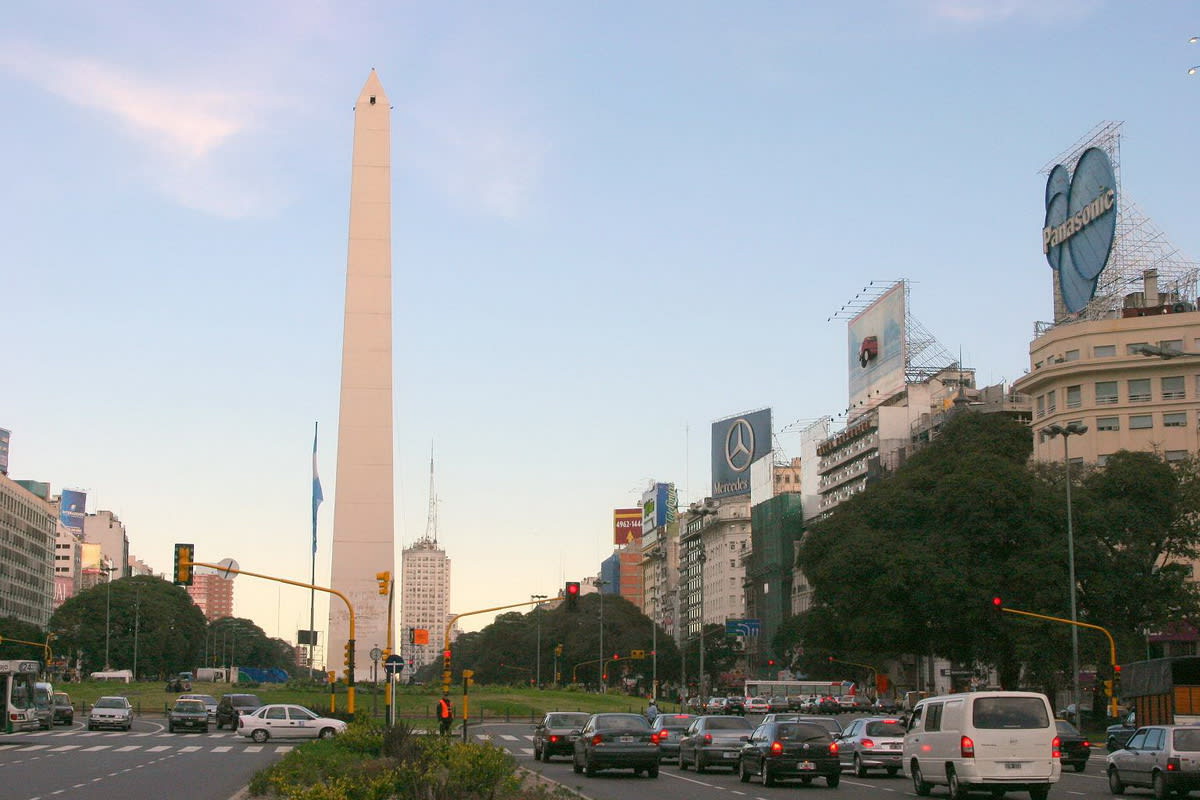
9 de Julio Avenue with the cry of Independence, the Colon Theatre, Corrientes Avenue and the meeting point of the
Porteños, the Obelisk, will end our visit.
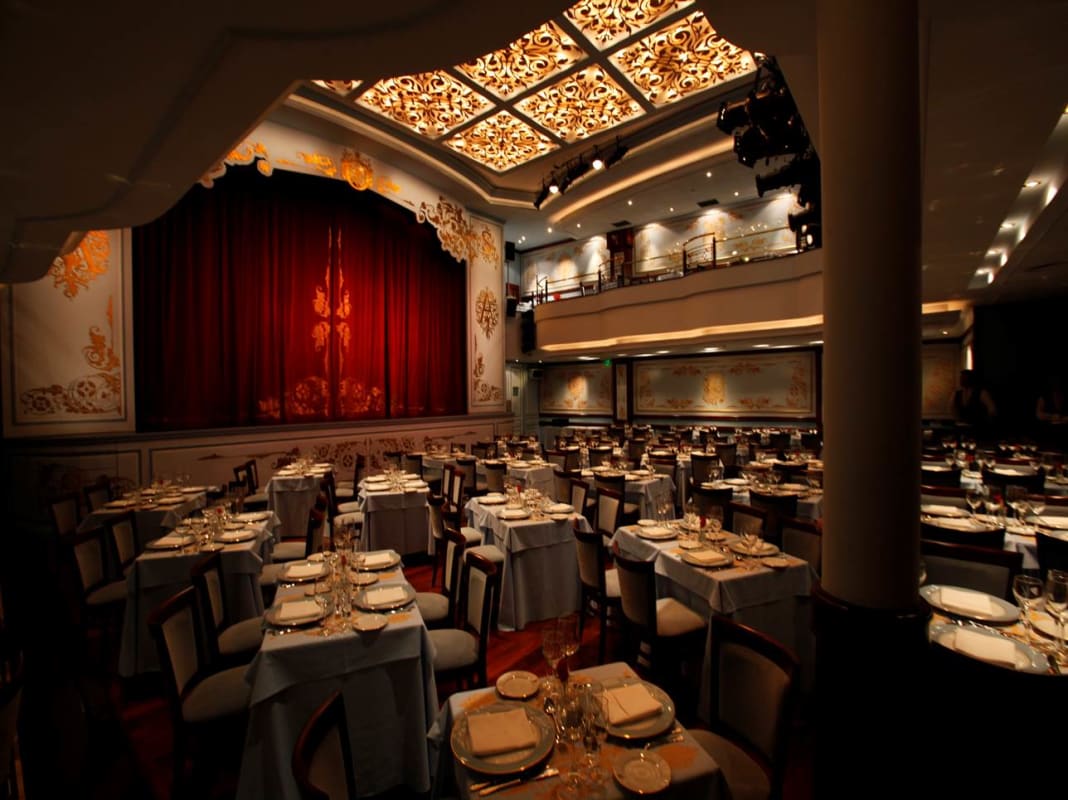
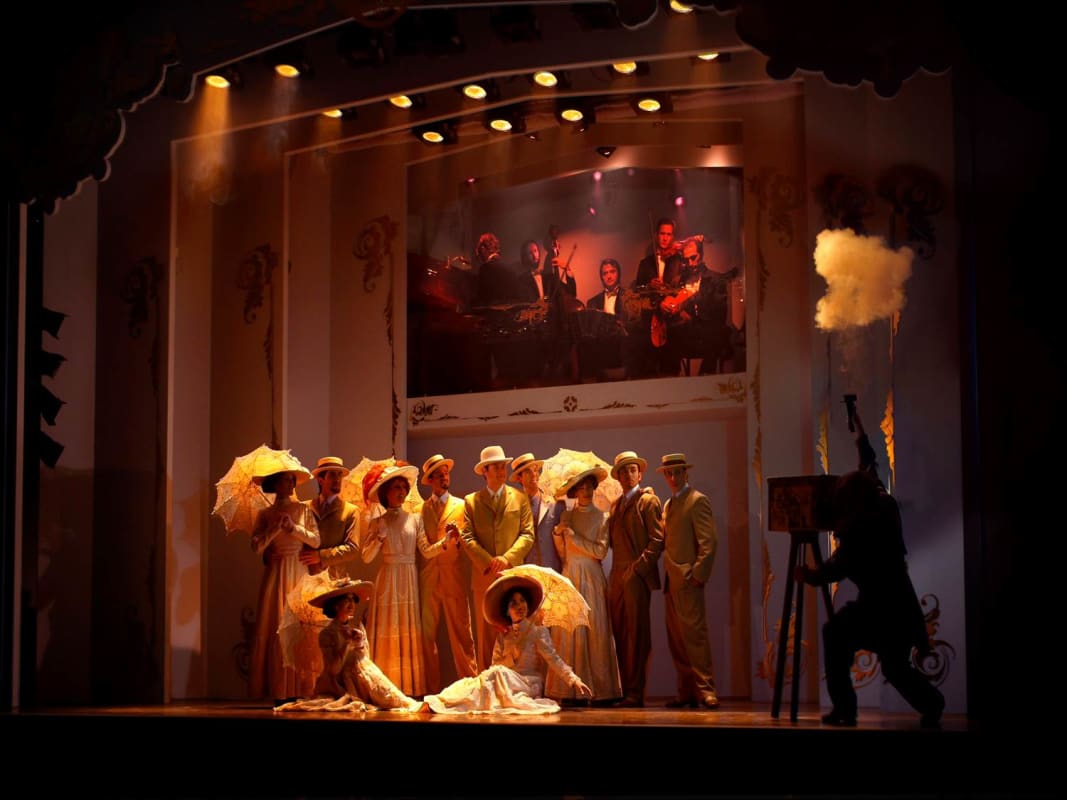
“Café de los Angelitos” is a live witness of more than one hundred years of Buenos Aires history with a parade of the most
outstanding personalities of the political and artistic atmosphere from the 20th century.
The mystical coffee house, inaugurated in 1890 with name of Bar Rivadavia by the Italian Bautisto Fazio, became a meeting
point for “compadritos” (swaggerers) and “malandras” (scoundrels) towards the end of the 19th Century.



 Baboo Certified