11 Day itinerary in South Korea, Asia
Explore South Korea through Seoul, the DMZ, Andong, Gyeongju, Busan, and Jeju Island, covering royal palaces, hanok villages, Korean War sites, UNESCO heritage, coastal markets, volcanic landscapes, and Haenyeo culture.
By Alick
Physical Difficulty
Recommended Age
Operated in
GUIDANCE
starting point
trip type
trip attributes
Sun & Beach
Cultural
Landscapes & Sceneries
Visit markets
Culture & History
Meet local people
Start/End
Night
Explore Seoul’s palaces, hanok streets, and local markets
Visit DMZ sites tied to Korean War history
Discover Gyeongju temples, tombs, and stone relics
Experience Busan’s coast and Jeju’s Haenyeo culture
Explore Seoul’s palaces, hanok streets, and local markets
Visit DMZ sites tied to Korean War history
Discover Gyeongju temples, tombs, and stone relics
Experience Busan’s coast and Jeju’s Haenyeo culture
Accommodation Categories
Day 1: Arrival in Seoul | Settle Into the City
Welcome to Seoul. After landing, head into the city center and ease into your first day in South Korea. This arrival day is kept intentionally simple, giving you time to adjust after your journey without scheduled sightseeing or guided activities.
Use the rest of the day at your own pace. You can rest, get oriented, and settle in gradually before the itinerary begins in full the next day. The focus is on a smooth arrival and a flexible start in Seoul.
Seoul is South Korea’s capital and the country’s largest city, serving as its political, economic, and cultural center.
Accommodation:
Day 2: Seoul City Highlights | Palaces, Hanok Streets, and Markets
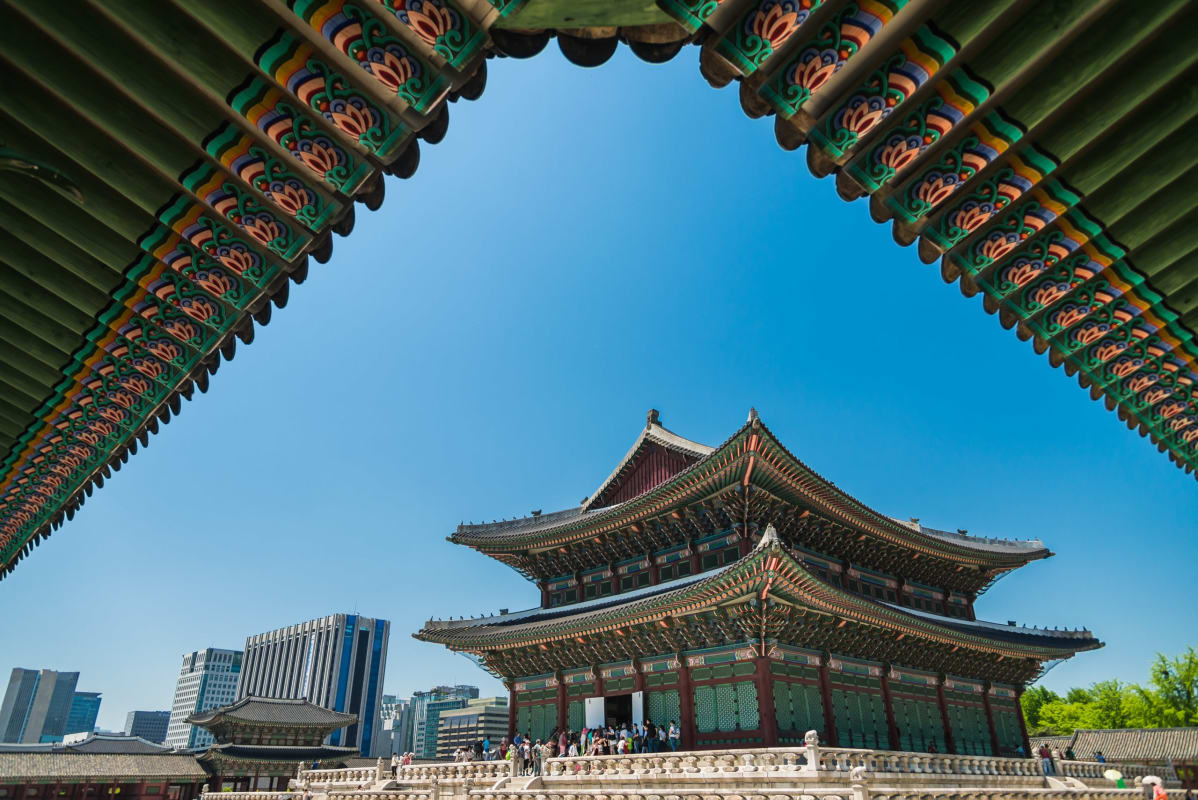
Start at Gyeongbokgung Palace, the largest of Korea’s royal palaces. As you explore, restored buildings, gardens, and museum spaces show different layers of its history. If you choose, you can wear a hanbok and watch the guard-changing ceremony held at the palace gate.
Continue to Bukchon Hanok Village, where traditional houses remain preserved within the modern city. The route then moves to Insadong, known for local art shops and cultural items, before ending at Gwangjang Market, where food stalls and textile vendors share a busy market setting.
Hanbok is traditional Korean clothing, historically worn for formal occasions, ceremonies, and seasonal celebrations.
Guide: Included for the day
Meals: Breakfast
Accommodation:
Day 3: DMZ from Seoul | Border History and Observatory Views
Travel north from Seoul for a full-day visit to the DMZ, around 62 km away. The area lies along the 38th parallel and carries important historical and political meaning connected to the Korean War period. Today, it is also viewed as a place that reflects hopes for peace.
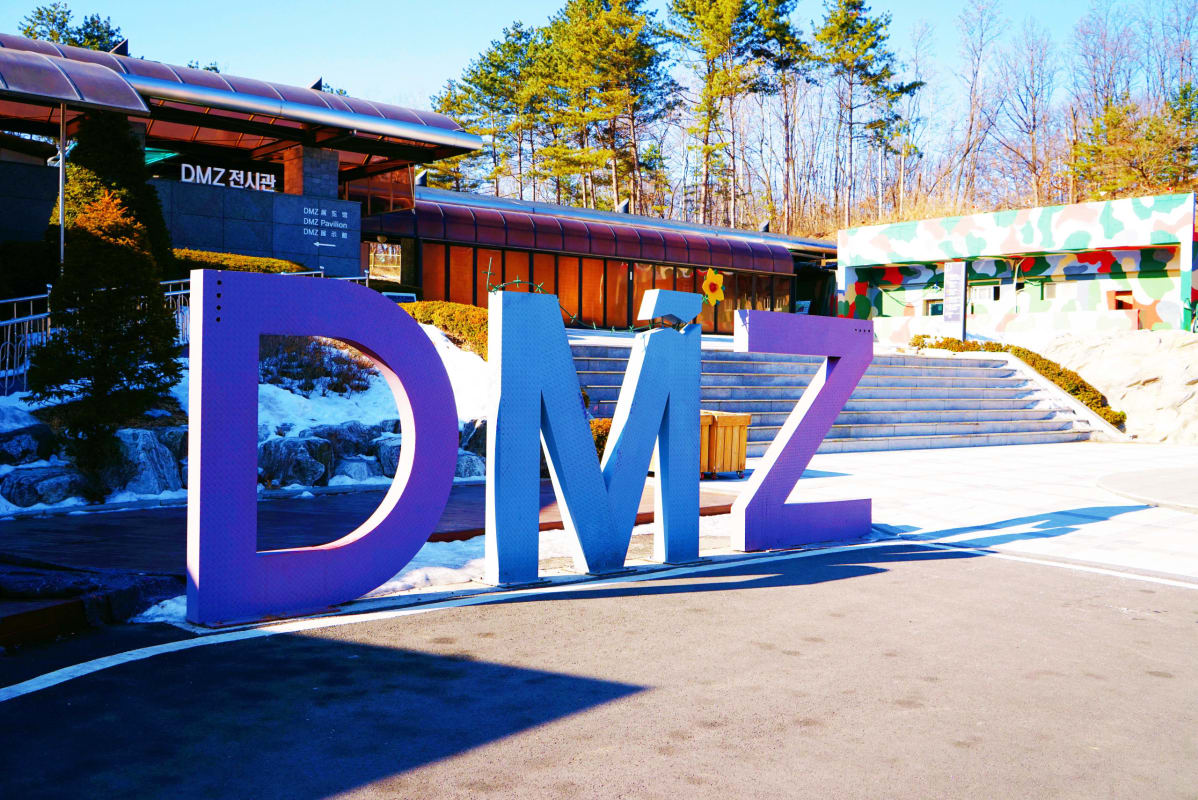
Begin at Imjingak Park, where Freedom Bridge is associated with the return of prisoners in 1953. Continue to the 3rd Tunnel, then visit the DMZ Exhibition, with displays on the wartime background and the situations of South and North Korea. End at Odusan Observatory, with views across the border area toward towns in North Korea.
The DMZ is a buffer zone separating North Korea and South Korea, created after the Korean War armistice in 1953.
Guide: Included for the day
Meals: Breakfast
Accommodation:
Day 4: Seoul to Gyeongju | Andong Heritage and Mask Traditions
Leave Seoul in the morning and drive about 2.5 hours to Andong, a region known for its cultural heritage. Your first stop is Hahoe Folk Village, where traditional houses and local village life remain part of the setting, followed by the Mask Museum and a traditional mask performance.
Continue with a short drive of about 5 km to Byeongsan Seowon, a historic academy set within a scenic natural environment where the landscape blends closely with its surroundings. After the visit, continue on to Gyeongju for the next stage of the journey.
Byeongsan Seowon is one of nine Korean Neo-Confucian academies included in a UNESCO World Heritage serial property.
Guide: Included for the day
Meals: Breakfast
Accommodation:
Day 5: Gyeongju to Busan | Heritage Sites and Ancient Relics
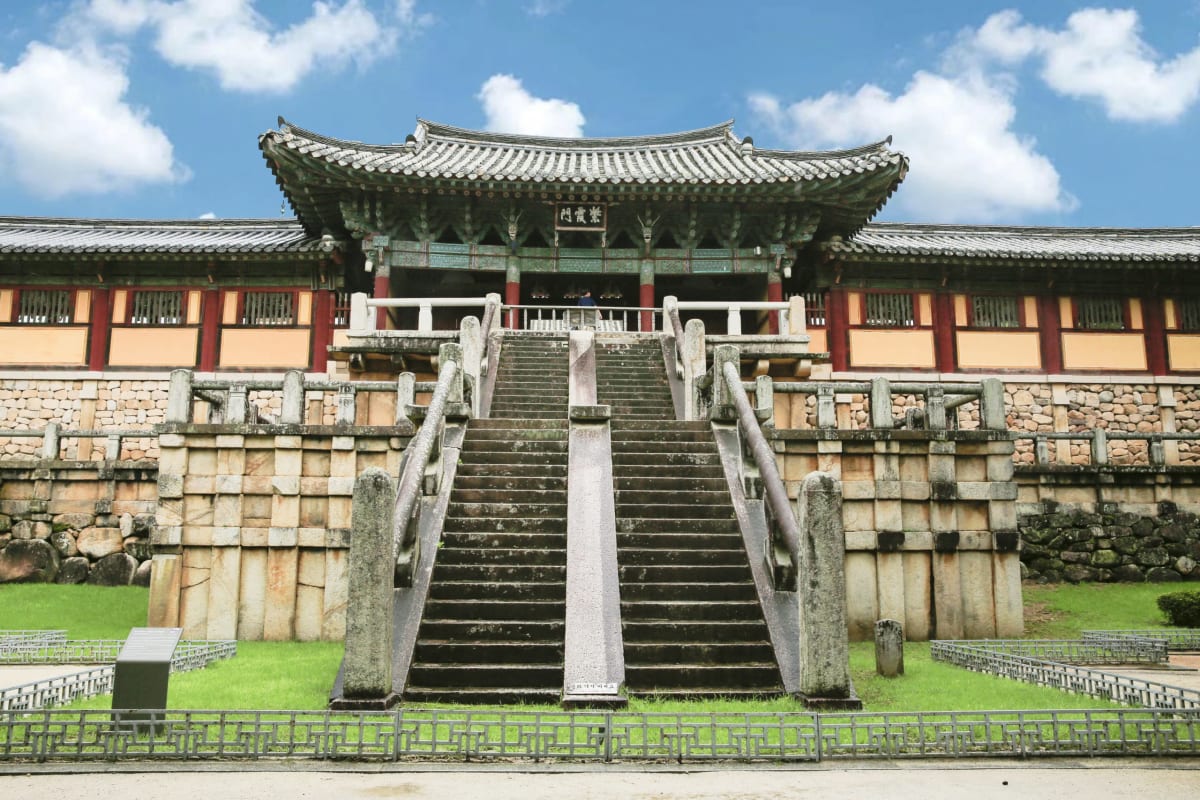
Begin at Seokguram Grotto, where a large stone Buddha statue sits within a mountain environment with views over the surrounding area. Continue to Bulguksa Temple, a UNESCO World Heritage Site known for its traditional architecture, stone pagodas, and statues.
Next, visit Daereungwon Tomb Complex, where ancient burial mounds and artifacts from around 1,500 years ago are displayed. Continue to Cheomseongdae Observatory, a 7th-century structure considered the oldest astronomical observatory in Asia, then visit Gyeongju National Museum for historical exhibits with English explanations. Afterward, drive about one hour to Busan, where the evening is free for independent activities or rest.
Gyeongju was the capital of the Silla kingdom, which is why many of its major heritage sites are connected to royal, Buddhist, and scientific history.
Guide: Included for the day
Meals: Breakfast
Accommodation:
Day 6: Busan Coastal Scenery | Sea Views, Temples, and Markets
Start with a ride on the Sky Capsule Train, following Busan’s coastline with continuous sea views along the route. Arrive at Cheongsapo, then continue to the Daritdol Skywalk, a seaside walkway extending over the coastal edge.
The route then leads to Haedong Yonggungsa Temple, set along rocks by the sea. Afterward, spend time by the shoreline at Haeundae Beach before continuing to Dongbaekseom Island and Nurimaru APEC House, known for traditional and modern architectural styles and open sea views. End at Haeundae Market, where local food stalls and small shops reflect everyday life in the area.
APEC stands for Asia-Pacific Economic Cooperation, a forum focused on economic cooperation among economies around the Pacific Rim.
Guide: Included for the day
Meals: Breakfast
Accommodation:
Day 7: Gamcheon and Jagalchi | Colorful Village and Seafood Market
Begin at Gamcheon Culture Village, a hillside neighborhood filled with colorful houses, murals, and creative installations. Once used as a shelter for refugees during the Korean War, the area is now known for its artistic atmosphere and strong local character.
Continue to Jagalchi Market, the largest seafood market in Korea, where seafood is actively sold and prepared on site. After these visits, the rest of the day is free in Busan, giving you time to continue independently or rest at your own pace.
Busan became a major refuge during the Korean War, which shaped parts of the city’s postwar neighborhoods and communities.
Guide: Included for the day
Meals: Breakfast
Accommodation:
Day 8: Busan to Jeju | Domestic Flight and Island Arrival
Travel from Busan to Jeju Island by flight today, moving from Korea’s southern port city to its island setting. Once you arrive, transfer from the airport for check-in, with the main logistics of the day focused on the domestic flight and arrival on Jeju Island.
The rest of the day is open, so you can unwind after the journey or begin exploring the island at your own pace. No scheduled sightseeing is listed for this day, allowing a flexible transition before the Jeju portion of the trip continues.
Jeju Island is South Korea’s largest island and is known for volcanic landscapes formed by past volcanic activity.
Guide: Included for the day
Meals: Breakfast
Accommodation:
Day 9: Jeju East Coast | Sunrise Peak, Divers, and Villages
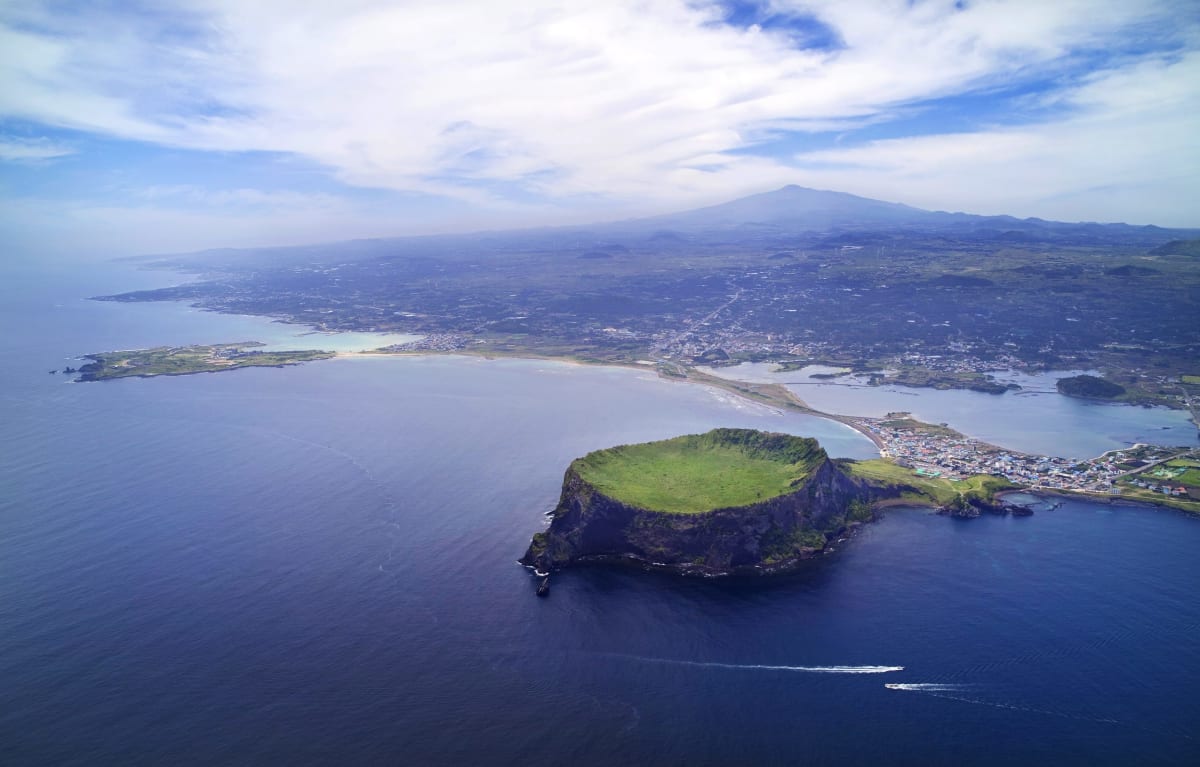
Spend the day discovering the eastern side of Jeju Island. Begin at Seongsan Ilchulbong, also known as Sunrise Peak, a UNESCO World Heritage Site. A walk to the crater rewards you with wide views over the surrounding coastline and sets the focus on Jeju’s volcanic and coastal scenery.
Continue to meet the Haenyeo, Jeju’s renowned female divers, and learn about their long-standing free-diving tradition and cultural heritage. Later, visit Seopjikoji, known for rugged coastal cliffs and open sea views, before finishing at Seongeup Folk Village for a closer look at Jeju’s traditional architecture, local customs, and everyday life.
Jeju Haenyeo culture is recognized for women’s free-diving knowledge, community practices, and seafood harvesting traditions passed through generations.
Guide: Included for the day
Meals: Breakfast
Accommodation:
Day 10: Free Day in Jeju | Independent Island Exploration
A full day is left for you to explore Jeju Island at your own pace. You may choose to spend time along the coastline, visit nearby cafés, or walk a section of the Olle Trail to experience the island’s natural scenery through a flexible, self-guided day.
Optional activities range from themed museums such as Stone Park, Hello Kitty, and Snoopy museums to more active options like hiking Hallasan or joining a horseback riding tour. The day remains open, so you can decide how much activity or rest best fits your plans.
The Jeju Olle Trail is a long-distance walking route network that follows coastal, village, and inland paths around Jeju Island.
Meals: Breakfast
Accommodation:
Day 11: Jeju to Seoul | Domestic Flight and Departure
On your last day in South Korea, make your own way to Jeju Airport and board a flight to Seoul. After arriving in Seoul, continue independently to Incheon International Airport, usually by the Airport Express, known as AREX, for your international departure.
Plan the day with enough time for both the domestic connection and airport check-in before your onward flight. The route involves separate travel steps, so allow a comfortable buffer between your Jeju flight, your transfer across the Seoul area, and your international departure process.
Incheon International Airport is South Korea’s main international gateway and serves the Seoul metropolitan area.
Meals: Breakfast
Accommodation
Meals
Transport
Activities
Extras
Not Included
Travel that Makes a Difference
By choosing to travel with us, you support local communities, wildlife, and the environment. We are dedicated to positively impacting the world through every journey we offer.

Let’s regenerate the planet together
We overcompensate your entire journey’s carbon footprint including flights - for free.
Ask for Quote