10 Day itinerary in Ghana, Africa
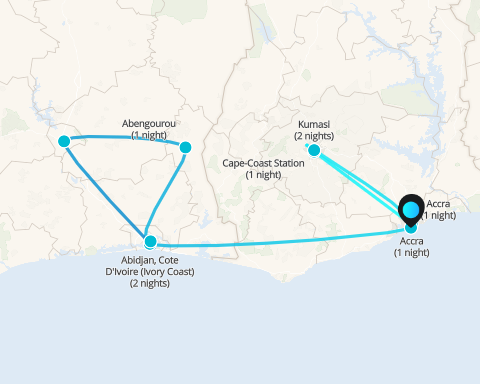
Explore Ghana and Cote d’Ivoire on a 10-day private trip from Accra to Abidjan, covering Accra, Kumasi, Cape Coast, Abengourou, Yamoussoukro, Grand Bassam, historical sites, craft villages, markets, Kakum National Park, and cultural landmarks.


By Abou and Mamadou
Physical Difficulty
Recommended Age
Operated in
GUIDANCE
starting point
trip type
trip attributes
Indigenous culture
Visit markets
Culture & History
Meet local people
Nature & Wildlife
Start
Night
End
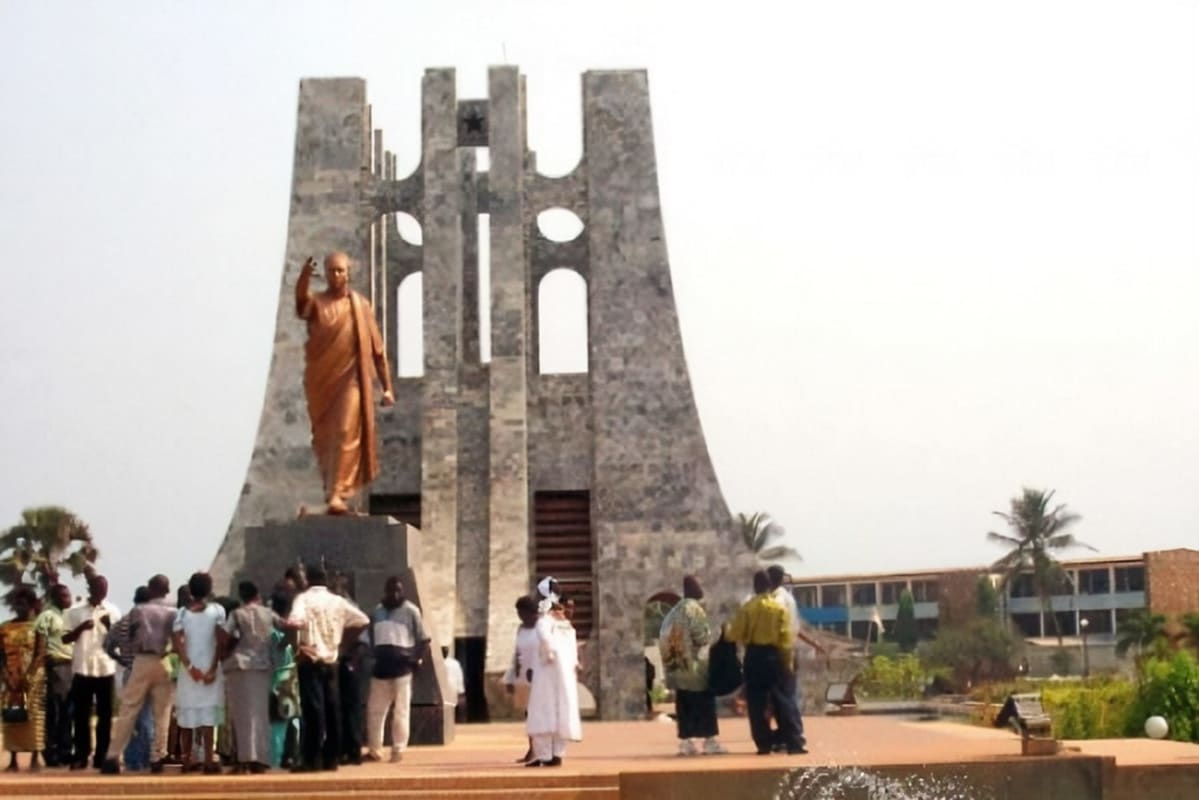
Visit Kwame Nkrumah Memorial Park
Walk through Kakum National Park
See the Lake of Fish
Encounter the sacred crocodiles
Visit Kwame Nkrumah Memorial Park
Walk through Kakum National Park
See the Lake of Fish
Encounter the sacred crocodiles
Accommodation Categories
Day 1: Arrival in Accra | Airport Transfer and Orientation
Arrive at Kotoka International Airport in Accra, where your expert cultural tour guide meets and assists you. From there, travel by private air-conditioned vehicle into the city, with the rest of the day shaped by your arrival time and personal preference.
Once settled, your guide provides a brief orientation on what to expect during your stay in Ghana. If time allows, you may tour the beautiful and vast campus of the University of Ghana, Legon, traveling through the grounds in your private air-conditioned vehicle.
The University of Ghana was founded in 1948 as the University College of the Gold Coast.
Guide: Included for the day
Accommodation:
Day 2: Accra to Kumasi | Ashanti Heritage and Plant Medicine
After breakfast, travel from Accra to Kumasi, the capital of the Ashanti Kingdom of Gold. En route, stop at the Mampong Centre for Scientific Research into Plant Medicine, where research focuses on using plant medicine to treat various ailments.
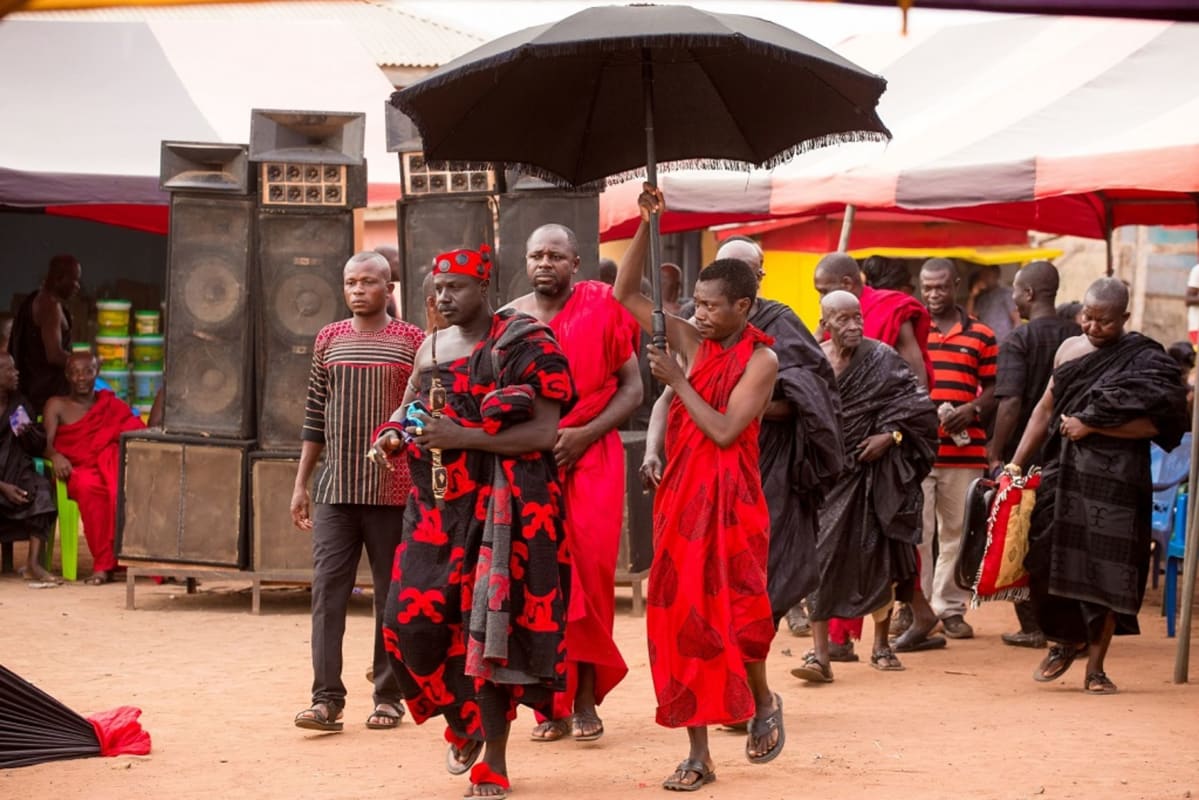
Continue to Kumasi and arrive in the early afternoon. Visit Manhyia Palace, the official residence of the Ashanti Kings, or Asantehene, until 1974 and now a museum with treasured items from the Ashanti Kingdom. Then see the nearby Okomfo Anokye Sword, an important symbol of Ashanti unity tied to the Golden Stool legend.
Manhyia Palace was originally constructed in 1925 as the private residence of Asantehene Nana Agyeman Prempeh I.
Guide: Included for the day
Meals: Breakfast, Dinner
Accommodation:
Day 3: Ashanti Craft Villages | Textiles, Woodcarving, and Kumasi Market
After breakfast, visit the Ashanti craft villages, beginning in Ahwiaa, the woodcarving village known for talented craftsmen who shape royal stools, walking sticks, and fertility dolls from wood. You have time to observe the work and the opportunity to purchase hand-carved items of many kinds.
Continue to Ntonso, where artisans hand-stamp patterns on cotton cloth to make Adinkra textiles. Learn how black dye is made from tree bark, create your own Adinkra sash to take home, and, if you wish, purchase large handmade pieces. Your final village is Adanwomase, where famous Kente cloth is handmade on looms in a time-honored tradition passed down through generations. See weavers creating Kente cloth in various styles, with an opportunity to make purchases. This evening, you may visit Kumasi Central Market, the largest open-air market in West Africa, where more than 10,000 vendors sell food, fabric, beauty products, and handmade crafts.
Kente is made from strips woven on horizontal looms using silk, cotton, or rayon.
Guide: Included for the day
Meals: Breakfast, Dinner
Accommodation:
Day 4: Ashanti Craft Villages | Woodcarving, Adinkra, and Kente
After breakfast, set out to explore the renowned Ashanti craft villages, where centuries-old traditions and artistic heritage are preserved and celebrated. Begin in Ahwiaa, the famous woodcarving village, where skilled artisans create royal stools, walking sticks, fertility dolls, masks, and other traditional wooden artifacts. Take time to watch the craftsmen at work and browse authentic hand-carved souvenirs.
Continue to Ntonso, the center of Adinkra textile production, where artisans hand-stamp symbolic designs onto cotton fabric. Learn how black dye is produced from tree bark, gain insight into the cultural significance of Adinkra symbols, and create your own Adinkra sash to take home. Your final stop is Adanwomase, one of Ghana’s leading Kente weaving communities, where master weavers use traditional looms to create intricate patterns and vibrant designs. Learn about the symbolism behind the cloth, shop for authentic Kente and Adinkra textiles as keepsakes or gifts, and enjoy the remainder of the day at leisure.
Adinkra symbols are visual symbols from the Akan people that represent concepts or aphorisms.
Guide: Included for the day
Meals: Breakfast, Dinner
Accommodation:
Day 5: Kakum to Accra | Canopy Walk and Abandze Visit
After breakfast, visit Kakum National Park, one of Ghana’s most famous parks. Take a brief walking tour on the forest floor, looking for birds, butterflies, and possible signs of wildlife among more than 40 species of mammals, including monkeys and the reclusive forest elephant.
Continue to the canopy walk, a 1,000-foot-long aerial walkway through the tree canopy with seven bridges and viewing platforms reaching more than 150 feet above the ground. In the afternoon, return to Accra, visiting Abandze en route, the ancestral home of Louis Armstrong, the famous American jazz musician.
Kakum National Park is located within the Assin Attandanso Reserve in Ghana’s Central Region.
Guide: Included for the day
Meals: Breakfast
Accommodation:
Day 6: Accra to Abidjan | Flight and Arrival Assistance
Following breakfast, you are transferred to the airport for your flight from Accra to Abidjan. This travel day shifts the journey from Ghana to Cote d’Ivoire, with the morning focused on departure logistics and the international flight connection.
On arrival in Abidjan, complete the COVID-19 related formalities at the airport. Afterward, meet the local representative, who assists you on arrival and transfers you onward, keeping the arrival process clear and supported.
Abidjan’s main international gateway is officially named Félix Houphouët-Boigny International Airport.
Guide: Included for the day
Meals: Breakfast, Dinner
Accommodation:
Day 7: Abidjan to Abengourou | Iniassue Dance and Niable Farms
Drive from Abidjan to Abengourou in the Kingdom of the Indenie. On the way, visit the school of fetish women of Iniassue, where an organized fetish dance is presented as part of the scheduled stop. After the dance, continue the drive to Abengourou.
After lunch on your own account, drive to Niable, the city of the farmers. On arrival, visit cocoa and coffee fields, then continue with visits to the King of Niable and the local radio station. In the evening, return by road to Abengourou for dinner.
Abengourou is located in Côte d’Ivoire’s Comoé Autonomous District, an area noted for Agni traditions and cultural festivals.
Guide: Included for the day
Meals: Breakfast, Dinner
Accommodation:
Day 8: Abengourou to Yamoussoukro | Market, Fish Lake, and Sacred Sites
Depart Abengourou for Yamoussoukro, the administrative capital city. On the way, stop at Bongoanou to visit the small market and the lake of fish, keeping the journey focused on local daily life and a distinctive natural site before continuing toward Yamoussoukro.
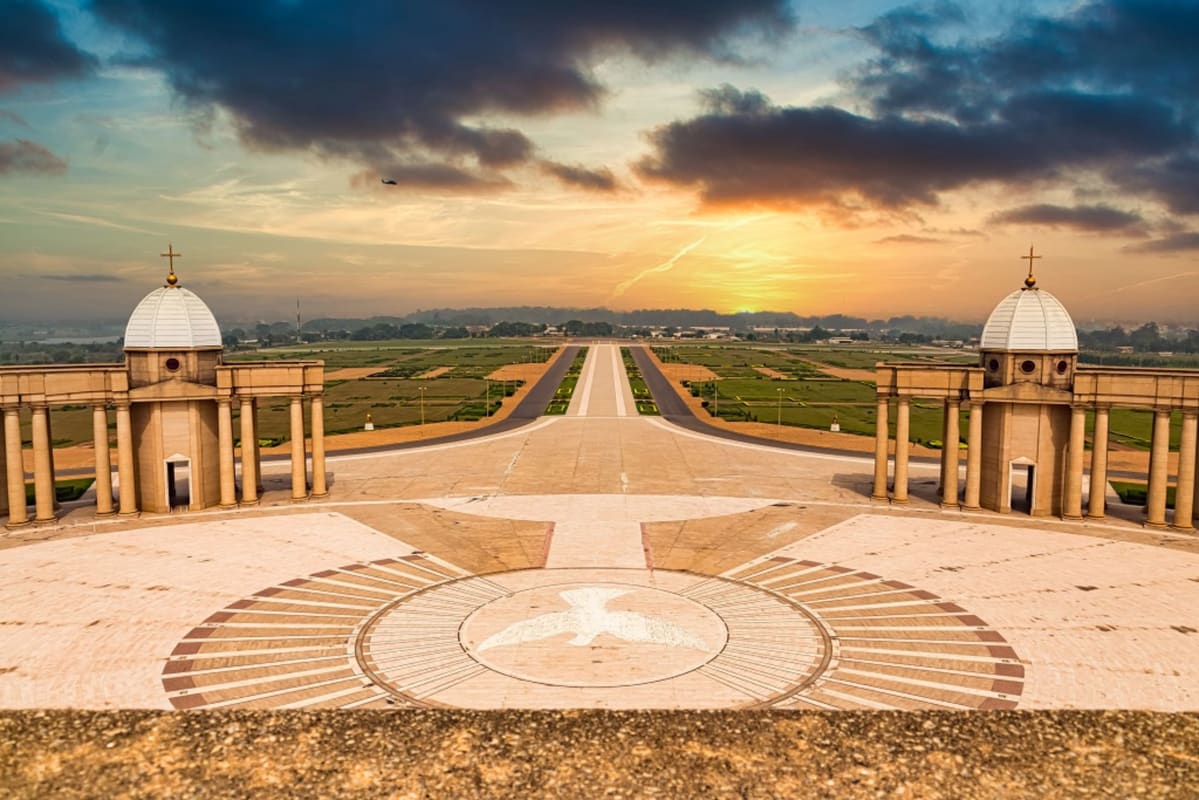
After arriving in Yamoussoukro, pause for lunch. In the afternoon, visit the cathedral Notre Dame de la Paix, described in the itinerary as the highest in the world. Continue to the sacred crocodiles, the mosque, and the High Polytechnic school as part of the city visit.
Yamoussoukro became the political and administrative capital of Côte d’Ivoire on March 21, 1983.
Meals: Breakfast, Dinner
Accommodation:
Day 9: Yamoussoukro to Abidjan | Grand Bassam Heritage and City Views
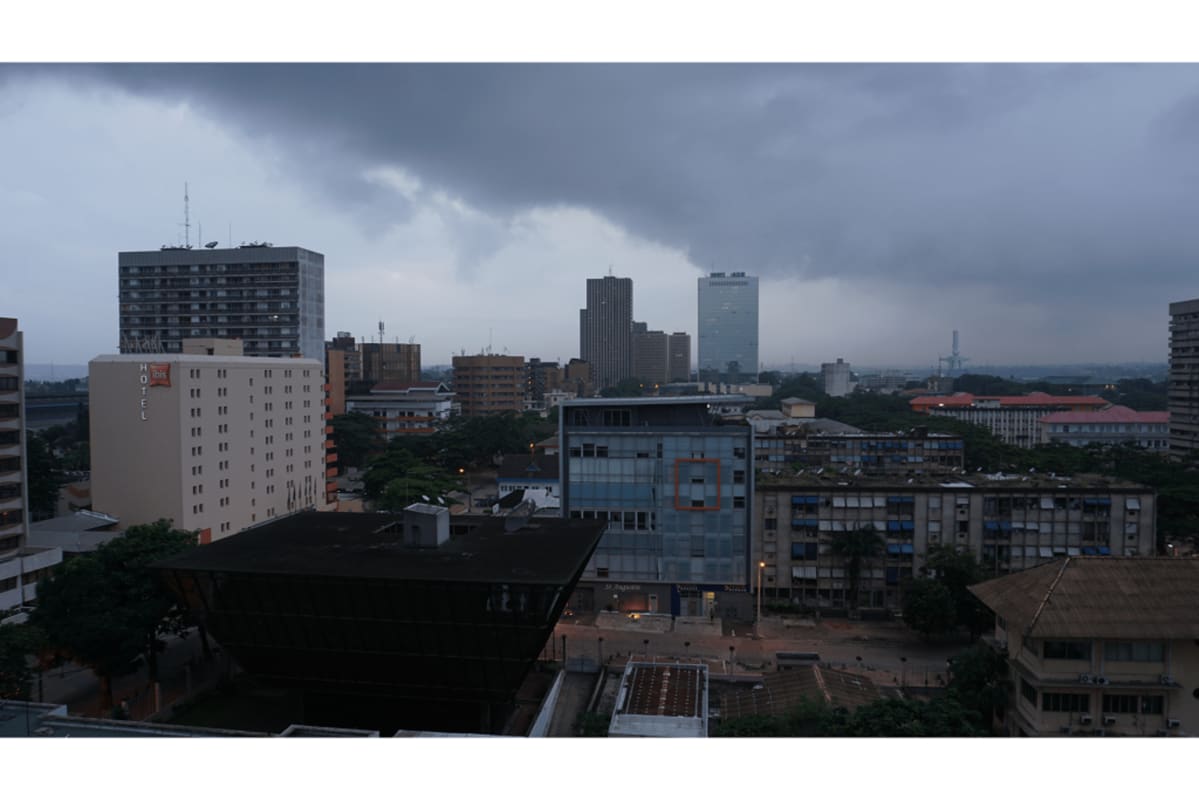
After breakfast, proceed to Abidjan, then continue to Grand Bassam, the colonial capital city. Visit the French Colonial district, the costume museum, the craft center, the governor “Binger” palace, linked in the itinerary to the first colonial governor, and the Ariane Monument, which symbolizes the yellow fever epidemic disease of the colonial period.
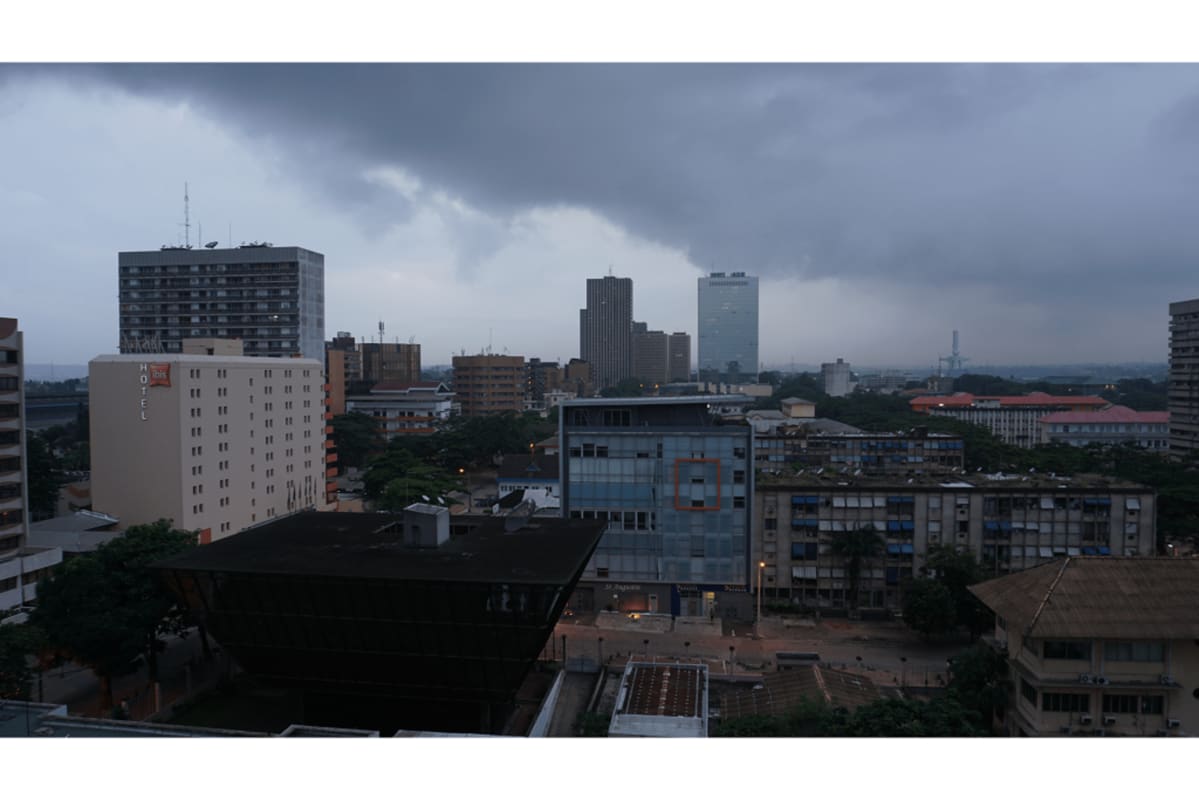
Continue with a visit to the reputed market for souvenir shopping. After lunch at the restaurant next to the sea, on your own account, drive back to Abidjan for a panoramic city tour, ending the day with a broad look at the city after the Grand Bassam visits.
The Historic Town of Grand-Bassam was added to the UNESCO World Heritage List in 2012.
Guide: Included for the day
Meals: Breakfast, Dinner
Accommodation:
Day 10: Depart Abidjan | Leisure Time and Airport Transfer
After breakfast, the day is at leisure in Abidjan. This unstructured time keeps the final morning flexible before departure, with no scheduled sightseeing or activities listed in the itinerary.
Afterwards, you are transferred to the international airport of Abidjan for your onward flight. The day concludes with assisted departure logistics, including the included guide service for the day.
Abidjan’s Félix Houphouët-Boigny International Airport has the IATA code ABJ and is located in the Port-Bouët area of southeast Abidjan.
Guide: Included for the day
Meals: Breakfast
Accommodation
Meals
Transport
Activities
Extras
Not Included
TEAM LEAD

+1 Local experts
Baboo Certified
5 (3 reviews)
Cycling
Hiking
Visit markets
Meet local people
Indigenous culture
Yoga
Meditation
Wellness retreat
Detox
Culture & History
Kayak & Canoe
Nature & Wildlife
Water & Coastline
My experiences from travelling throughout Africa, North America, Europe and the Middle East, have reinforced my commitment to show travellers the unique beauty, culture and hospitality of my native Ghana and Africa, curating unique experiences.
Travel that Makes a Difference
By choosing to travel with us, you support local communities, wildlife, and the environment. We are dedicated to positively impacting the world through every journey we offer.

Let’s regenerate the planet together
We overcompensate your entire journey’s carbon footprint including flights - for free.
$6,603.00 USD